
Private label partnerships
Build your brand on a platform you can verify.
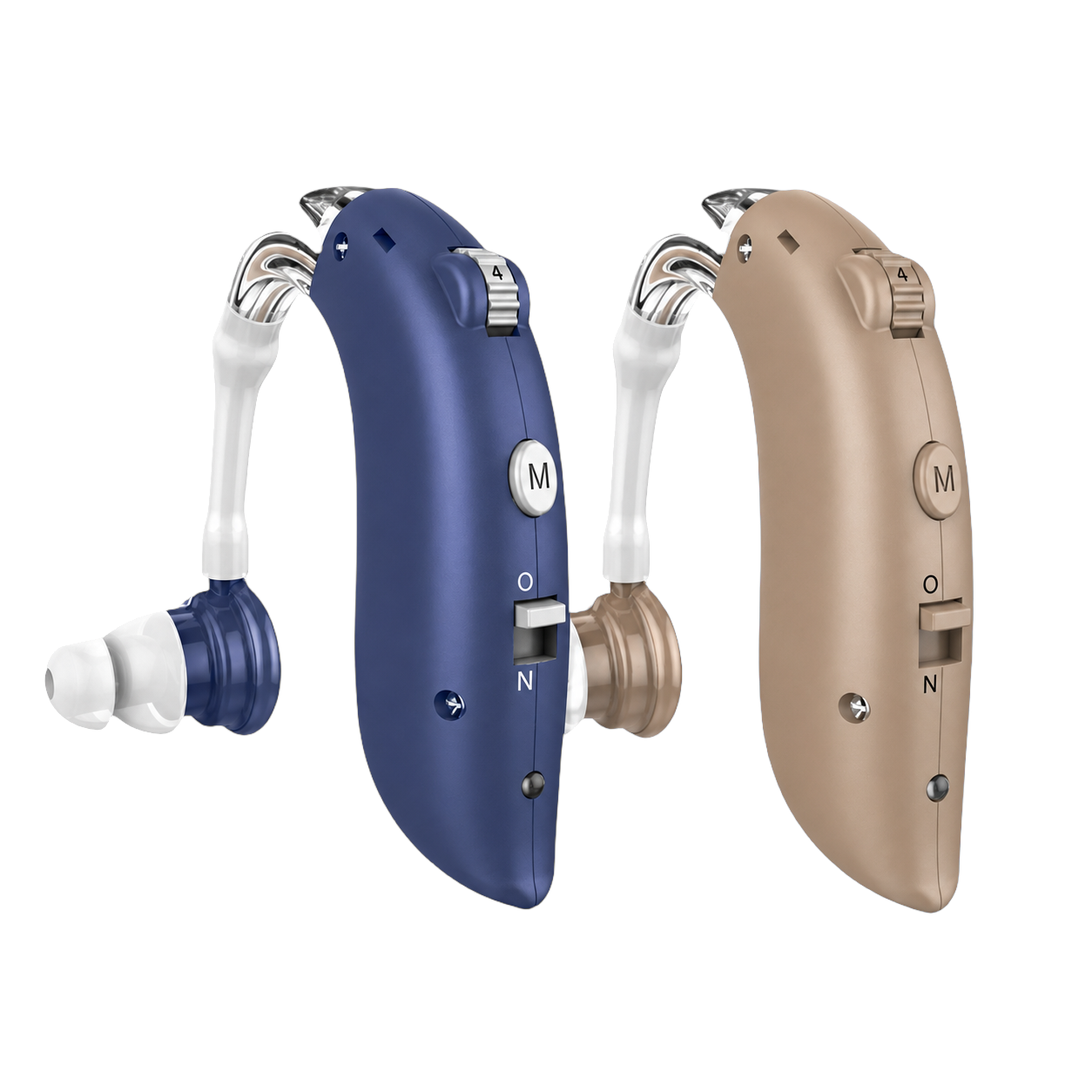
Start with an exact DAERDO model. Then define the brand layer around it—artwork, packaging, instructions and included accessories—without obscuring the product record underneath.

Define the brand layer
One product truth. A coordinated customer-facing system.
Private label is not a new technical brief. It is a controlled presentation layer built around a model you have already reviewed.
Exact model, form factor, controls and technical record.
Fixed firstLogo placement and supported shell-colour choices.
By platformGift box, labels, booklet artwork and included set.
Brand scopeLanguage and destination-market review for the exact model.
Review gateThe system, not just a logo
Make every customer-facing object agree.
A credible private-label range carries the same model identity through the device, the box and the instructions. Each layer is reviewed against the selected product and target market.
Know what changes—and what must remain traceable.
The brand layer should make the range coherent without making the underlying device ambiguous. That distinction is the core approval gate.
Brand-scope decisions
Platform facts that stay explicit
Responsibility stays visible
Brand approval does not erase production or market obligations.
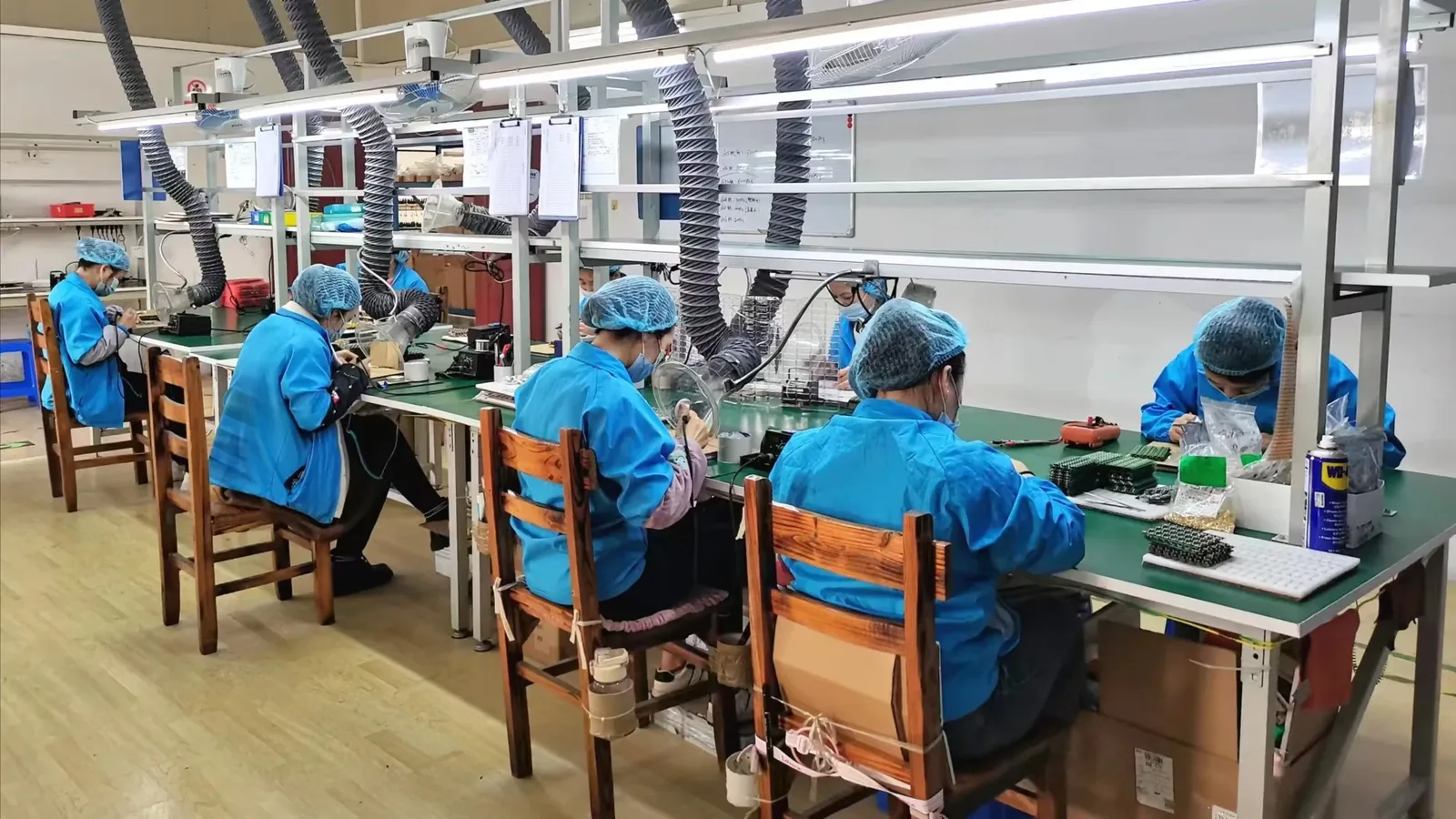
DAERDO coordinates the commercial and brand scope. The production partner controls manufacturing activities. The buyer reviews local-market requirements and final brand use.
Approval path
Resolve the product before the artwork.
The page stops at the private-label approval gate. Production scheduling, payment and shipping belong to the separate Order Process page.
Start with the model brief →Match the form factor, adjustment method and available record to the intended channel.
Review product handling, fit, accessories and presentation with your team.
Confirm supported colour, logo position, packaging, language and included set.
Check the exact model and destination-market file set before artwork approval.
Align product identity, packaging and instructions before any volume decision.
After approval, move to the separate Order Process for commercial and logistics steps.
Private label inquiry
Bring the market, model and brand decision into one brief.
We can route the conversation once those three facts are clear—without treating a logo request as a custom product-development project.
Include these three decisions