
8 min read · Distributor guide
The Distributor's Guide to Reducing OTC Hearing Aid Returns
Returns are the single largest margin killer in OTC hearing aids — the industry sees 15–30% return rates, and some direct-to-consumer brands report over 30%. This guide breaks down why buyers send devices back, and the specific product, packaging and onboarding decisions distributors and private-label brands can make to bring that number down.
By Daerdo OEM Team · July 24, 2026
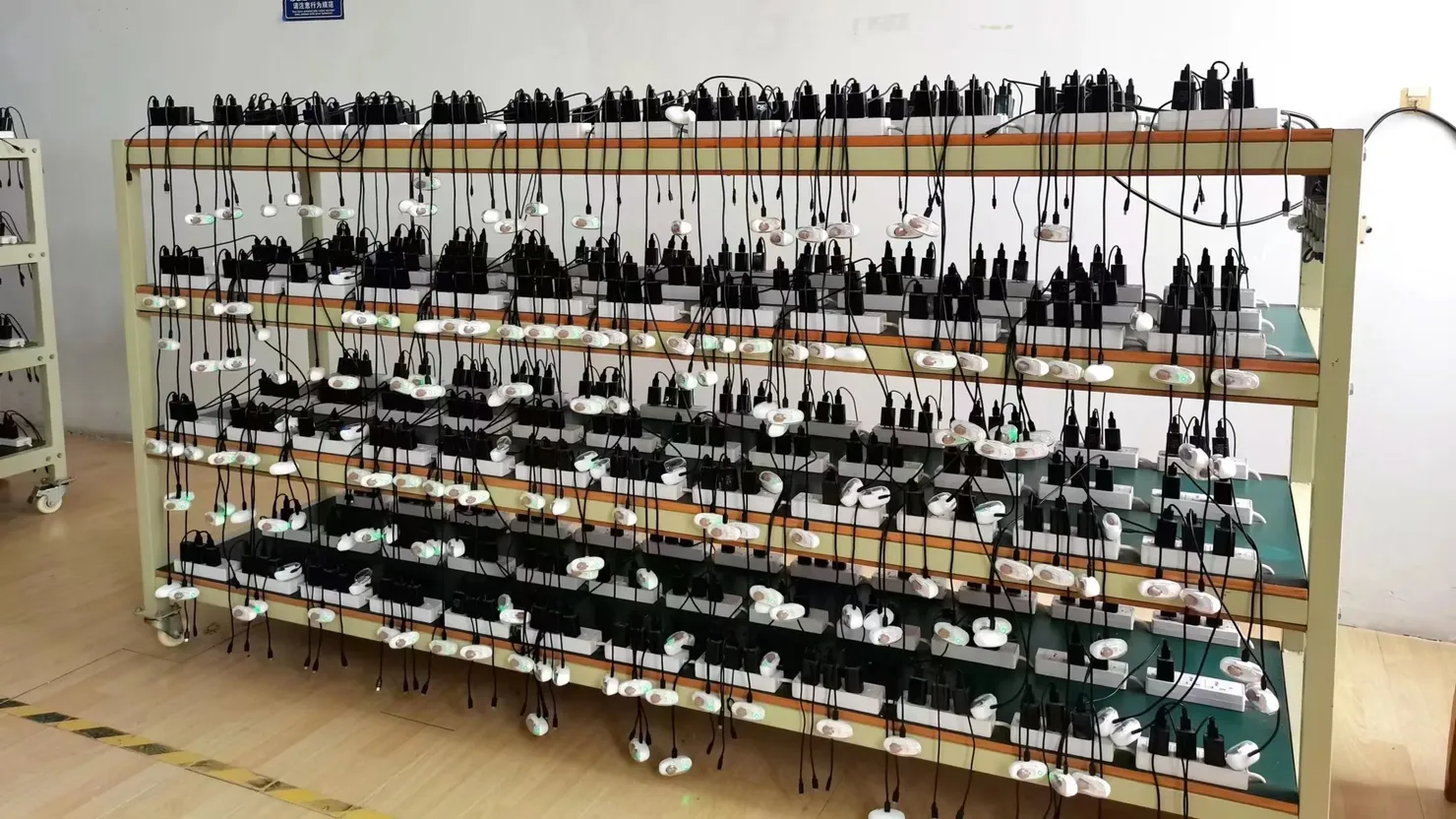
For a distributor or private-label brand, the return rate is not a customer-service metric — it is a margin metric. A device sold at a healthy markup can still lose money once you count return shipping, restocking, refurbishment or write-off, and the support hours spent on a buyer who ends up unhappy. In the OTC hearing aid category, returns are large enough to decide whether a SKU is profitable at all.
The good news: most returns trace back to a short list of predictable causes, and several of them can be designed out at the product, packaging and onboarding level — before the buyer ever contacts support. This guide walks through the numbers, the root causes, and a practical checklist you can apply whether you are sourcing OEM devices or building your own private label.
How big is the return problem, really?
Public data puts the range clearly:
Typical OTC hearing aid return-rate range reported across the industry
Source: Hearing Insider — OTC Hearing Aid Return Rates
Eargo’s sales-return rate rose year over year (2020 to 2021), with one quarter reaching 46%
Source: Eargo, Inc. Form 10-K (SEC EDGAR)
For comparison, general consumer electronics returns usually sit in the high single digits to low teens. OTC hearing aids run materially higher because the product has to satisfy a physical fit, an audiological expectation, and a first-time-user learning curve all at once. That is three ways for a sale to unwind — and each one is addressable.
Why buyers actually send devices back
Across clinical return studies and direct-to-consumer disclosures, the reasons cluster tightly. The two dominant causes are physical fit and insufficient amplification / sound quality, followed by feedback (whistling) and the general friction of getting used to a device.
Share of returns attributed to noise-related issues — acoustic feedback, occlusion, over-amplification and surrounding noise
Source: Clinical Reasons for Returning Hearing Aids (PMC4003737, NIH)
- Poor physical fit — the ear tip does not seal or sits uncomfortably. This is consistently the #1 cited reason for return.
- Insufficient or wrong amplification — the device does not deliver a noticeable improvement, or amplifies the wrong things. #2 cause.
- Feedback / whistling — a large slice of the noise-related returns above; strongly tied to fit and to feedback-suppression quality.
- Onboarding friction — the buyer cannot set it up, pair it, or does not know what "normal" adjustment feels like, and gives up inside the return window.
- Expectation gap — the listing promised more than an OTC device can deliver, or targeted the wrong buyer (severe loss, which is out of OTC scope).
What actually lowers the number
Each of the causes above maps to a decision you control at the sourcing and merchandising stage. Here is the mapping.
1. Solve fit before the buyer opens support
Fit is the largest single lever because it drives both the #1 return reason (comfort/seal) and a big share of the feedback returns. The most reliable fixes are physical, not clever marketing:
- Ship multiple ear-tip sizes and styles (e.g. several dome sizes, open and closed) in every box — not a single generic tip.
- Choose a shell/receiver geometry that seats stably for a range of ear canals.
- Put a 30-second "find your fit" step at the very front of the quick-start, so the first thing the buyer does is get a seal.
2. Suppress feedback at the device level
Whistling reads to a first-time user as "the product is broken." Devices with effective feedback cancellation convert far more of the try-it-out period into a keep. When you evaluate an OEM platform, make feedback suppression a spec you test, not a bullet you accept on the datasheet.
3. Turn the unboxing into onboarding
The return window is a race between the buyer’s frustration and their competence. Research on hearing-aid outcomes has long shown that guidance and verification during fitting improve user success and reduce rejection.
The single cheapest return-reducer most brands skip: a clear, visual quick-start plus a short "your first week" note that tells the buyer amplification feels strange at first and that is normal. It costs cents and directly attacks the onboarding-friction and expectation-gap causes.
- A visual, non-clinical quick-start card (fit → power → volume → pairing) in the box.
- A short onboarding email or QR flow: day 1, day 3, day 7 expectations.
- A real reply channel (not a dead form) so a fixable complaint becomes an adjustment, not a return.
4. Write the listing to the right buyer
Half of expectation-gap returns are written into the product page before anyone buys. Keep claims to what an OTC device does — amplify sound, help with conversations — and state the intended user (adults, perceived mild-to-moderate difficulty). Do not imply it restores normal hearing or suits severe loss; those buyers will return, and the copy also crosses regulatory lines. (See our note on compliant OTC language in the Quality & Compliance section.)
A pre-launch checklist
Before you commit volume to a private-label SKU, score it against the causes above:
| Return cause | What to verify before you order |
|---|---|
| Fit | Multiple tip sizes/styles in-box; stable seating across ear sizes |
| Amplification | Real, audible benefit at target loss range; sensible default preset |
| Feedback | Feedback cancellation tested on a live unit, not just spec sheet |
| Onboarding | Visual quick-start + first-week guidance included or brandable |
| Expectation | Listing claims match OTC scope; intended user stated |
| Support | A real reply channel wired up before launch |
Where sourcing fits in
Three of the six levers above — fit range, feedback suppression, and brandable onboarding materials — are decided at the factory, not in your warehouse. That is the practical reason to treat return rate as a sourcing question: the platform you build on either gives you multi-size tips, tested feedback handling and customizable inserts, or it does not.
Daerdo builds OTC hearing-device platforms for distributors and private-label brands from an FDA-registered facility (Establishment Registration No. 3013596029 — a registration, not an FDA approval or endorsement). Sample from a single unit, verify fit and feedback behavior on a real device, then scale the SKUs that survive that test.
Source with Daerdo
Test fit and feedback on a real device — sample from a single unit.
OTC hearing-device platforms for distributors and private-label brands, built at an FDA-registered facility. Verify the return-reducers in this guide on an actual sample before you commit volume.